Product Description
Criteria | Specification |
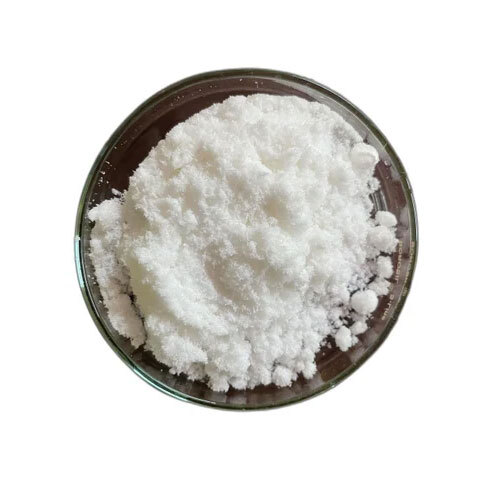
Appearance | A White Crystalline Powder having characteristic odour. |
Solubility | It is soluble in alcohol and practically insoluble in water. |
Moisture (K.F.) | Max. 0.5% |
t-butyl-p-Benzoquinone (FTIR) | Max 0.2% |
2,5-Di-tert-Butyl Hydroquinone | Max 0.2% |
Heavy Metal (As Pb) | Max 2 PPM |
Hydroquinone (GC) | Max 0.1% |
Arsenic | Max 3 PPM |
Melting Temperature | NLT 126.5 Deg C |
Toluene Content | Max. 0.0025% |
UV-Absorbance (Polynuclear Hydrocarbon) | 280-289 nm-net abs. Max. 0.15 290-299 nm-net abs. Max. 0.12 300-359 nm-net abs. Max 0.08 360-400nm-net abs. Max 0.02 |
Assay (Titrimetric) | Min. 99.0% of C10H14O2 |
TBHQ acts as an effective antioxidant, preserving the freshness and stability of oils, fats, and packaged food items. Its usage also extends to pharmaceutical formulations and cosmetic preparations, helping maintain product integrity. With a maximum recommended concentration of 0.02% in food, it assures both efficacy and compliance with food safety regulations.
Quality, Purity, and PackagingAvailable in both food and industrial grades, TBHQ exceeds 99% purity and meets major pharmacopeia standards (FCC, BP, USP). It is supplied in durable 25 kg fiber drums or custom packaging to suit business needs, ensuring safe transport and easy handling for manufacturers and suppliers in India.
Safe Storage and StabilityTBHQ should be stored in a cool, dry environment away from sunlight to maintain its two-year shelf life and chemical stability. Proper storage minimizes the risk of degradation or contamination, ensuring consistent quality throughout its use.
FAQ's of Tert Butylhydroquinone:
Q: How should Tert Butylhydroquinone (TBHQ) be stored to maintain its stability?
A: TBHQ should be kept in its original, tightly sealed packaging in a cool, dry place away from direct sunlight. Storing it under these recommended conditions helps preserve its stability and ensures a shelf life of up to two years.
Q: What is the typical process for using TBHQ as an antioxidant in food?
A: TBHQ is usually added to edible oils, fats, or food formulations during manufacturing. Its concentration should not exceed 0.02% of the product's total weight, in accordance with food safety regulations, to prevent oxidation and prolong shelf life.
Q: Where is TBHQ commonly applied besides food products?
A: In addition to its role in food preservation, TBHQ is used in cosmetics and pharmaceuticals. It helps stabilize formulations, preventing degradation and extending shelf life in creams, lotions, and medicinal products.
Q: What precautions should be taken while handling TBHQ?
A: Though TBHQ is considered to have low toxicity at recommended usage levels, it may cause mild skin or eye irritation. It is advisable to use gloves and eye protection, and avoid direct contact during handling or processing.
Q: When does TBHQ demonstrate optimal effectiveness in food preservation?
A: TBHQ works best when incorporated early during the processing of oils, fats, or packaged foods. Incorporating it at the production stage ensures even distribution and optimal antioxidant activity throughout the product's shelf life.
Q: What are the benefits of using TBHQ over other antioxidants?
A: TBHQ offers superior heat stability and effectiveness at low concentrations. Its neutral to slightly acidic pH helps maintain product taste and quality, while its high purity ensures consistent, safe results in regulated applications.





 Send Inquiry
 Send Inquiry
