Product Description
Criteria | Specification |
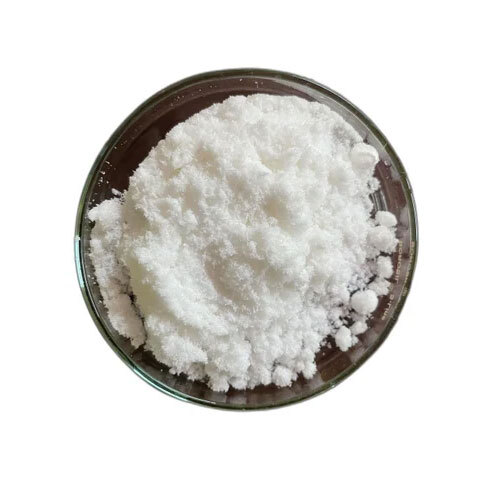
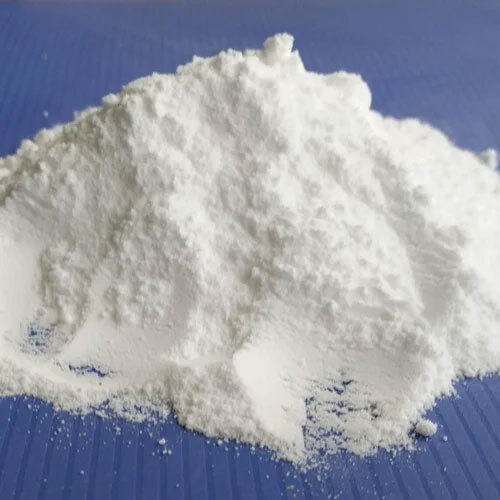
Appearance (Color) | White to Off-White Flakes |
Appearance (Form) | Flakes |
Purity (By HPLC) | 99.5% Minimum |
Moisture (By KF) | 0.2% Maximum |
Catechol (TLC) | 0.1% Maximum |
Phenol (TLC) | 0.1% Maximum |
Light Transmission (At 470 nm) | 90% minimum |
Insolubles | 0.005% Maximum |
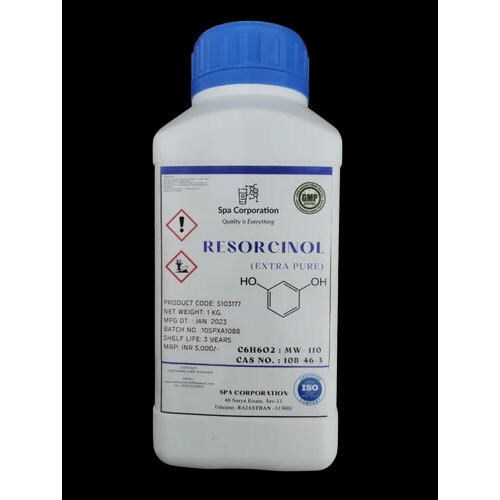
Resorcinol serves as a vital chemical intermediate for a wide range of industries, including pharmaceuticals, plastics, adhesives, and dyes. Its unique molecular structure makes it suitable for use in UV absorbents, reinforcing resins in tire manufacturing, and as an analytical reagent in laboratories.
Safe Handling and StorageResorcinol should be handled with protective equipment, avoiding skin and eye contact due to its irritating properties and moderate toxicity. For optimal shelf life, it must be stored in a tightly closed container placed in a cool, dry, and well-ventilated space, away from incompatible substances.
FAQ's of Resorcinol Chemical:
Q: How should resorcinol be handled and stored to maintain its quality?
A: Resorcinol should be handled with proper safety equipment to avoid ingestion, inhalation, or contact with skin and eyes. Store it in tightly closed containers in a cool, dry, and well-ventilated area to maintain stability and ensure a shelf life of two years.
Q: What are the main industrial uses of resorcinol?
A: Resorcinol is widely employed in the manufacturing of dyes, plastics, pharmaceuticals, UV absorbents, and adhesive resins. Its chemical properties also make it valuable for laboratory applications and as an intermediate in chemical synthesis.
Q: Where is resorcinol commonly supplied and in what quantities?
A: Resorcinol is typically supplied by manufacturers, traders, and wholesalers in India, usually in 25 kg bags or drums, with a minimum order quantity of 500 kg.
Q: What safety precautions should be taken when working with resorcinol?
A: It is important to use personal protective equipment such as gloves and goggles, and to work in a well-ventilated area, as resorcinol is harmful if swallowed or inhaled and can cause skin and eye irritation.
Q: When does resorcinol expire and how can its shelf life be ensured?
A: Resorcinol has a shelf life of two years if stored correctly in a sealed container, away from moisture and heat sources.
Q: What are the benefits of using resorcinol in industrial processes?
A: Resorcinol's high purity and solubility, along with its reactivity, make it a vital intermediate for creating high-performance materials, improving product durability, and enhancing process efficiency in multiple industries.





 Send Inquiry
 Send Inquiry
 Call Me Free
