Product Description
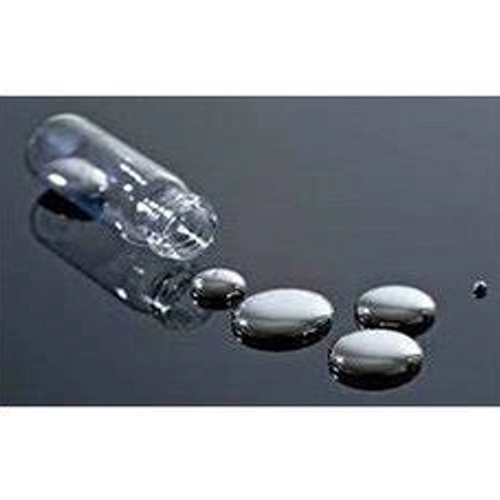
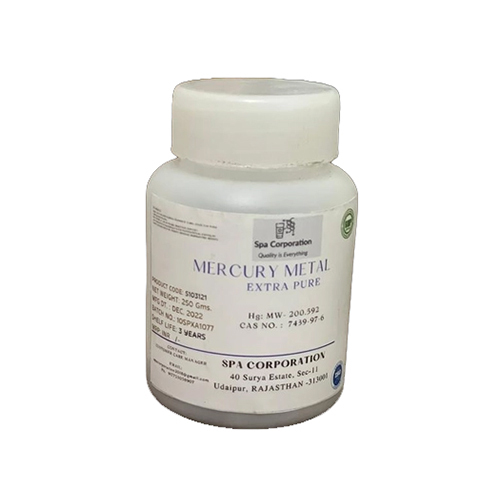
Mercury metal is a fascinating element with unique properties. It is a heavy, silvery metal that remains liquid at room temperature. This high-purity form of mercury is essential in various scientific and industrial applications.
The metal's ability to conduct electricity and form amalgams makes it valuable. It is used in thermometers, barometers, and other scientific instruments. Mercury's high density allows for precise measurements in different fields.
However, mercury is toxic and requires careful handling. Exposure can lead to serious health issues, including neurological damage. Proper safety measures are crucial when working with this metal.
Despite its risks, mercury continues to be a subject of study. Its unique characteristics and applications make it a vital component in many industries.
What is Mercury Metal 99.99?
Mercury metal 99.99 refers to a high-purity form of mercury. With a purity level of 99.99%, it is ideal for applications requiring minimal impurities. Mercury, known by its symbol Hg, has unique characteristics that set it apart.

A notable feature of mercury is its liquid state at room temperature. This property allows for applications in various instruments and experiments. The element's atomic number is 80, marking its place in the periodic table.
Mercury's unique properties extend to its high surface tension and electrical conductivity. Its ability to form amalgams with metals like gold and silver has industrial importance. These features underscore its utility in specialized fields.
Characteristics of Mercury Metal 99.99
- Purity Level: 99.99%
- Atomic Number: 80
- Liquid State: At room temperature
-
- Unique Features: High surface tension, electrical conductivity, and amalgam formation
-
Understanding these characteristics is crucial for those working with mercury metal 99.99. Its use in advanced research and industry highlights its ongoing relevance.
Key Properties of Mercury Metal
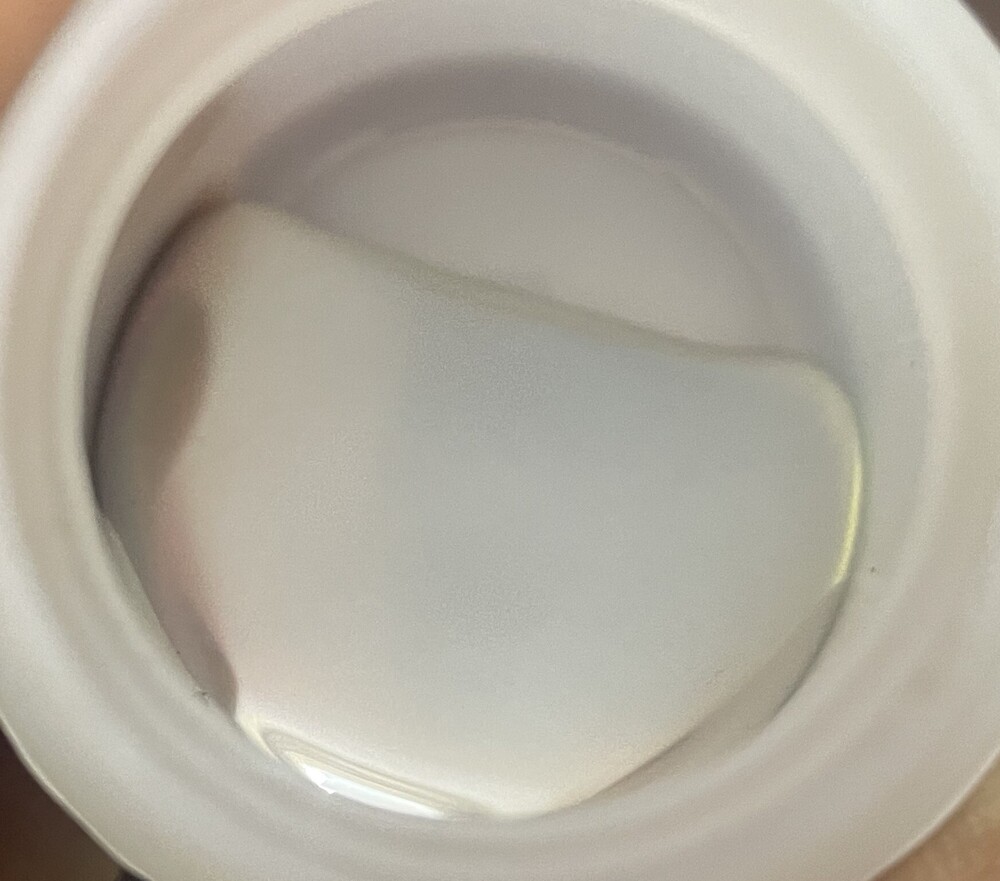
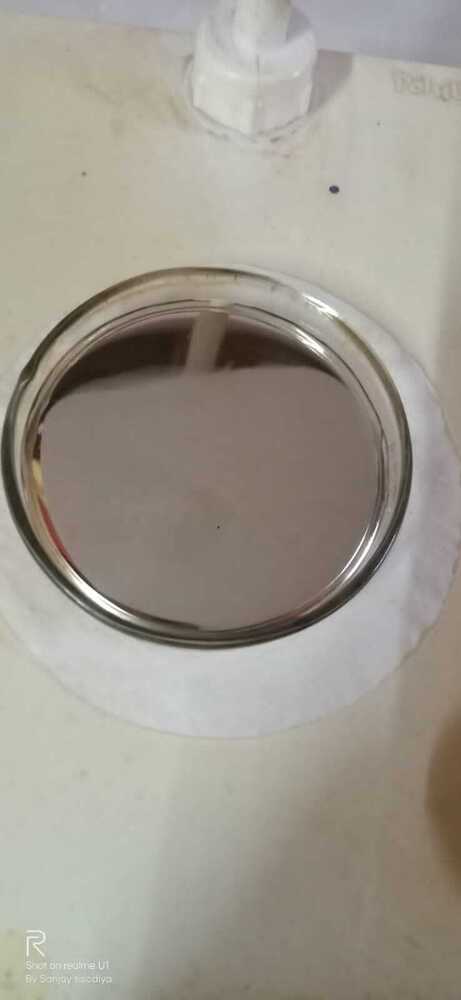
Mercury metal possesses unique and fascinating properties. It remains liquid at room temperature, a rarity among metals, making it indispensable for various scientific purposes. Its silvery appearance and high density add to its distinctive characteristics.

Among its physical features, mercury boasts exceptional electrical conductivity. This property is valued in devices that require precise electrical measurements. Furthermore, its high surface tension allows mercury to form round, cohesive droplets.
Mercury's ability to form amalgams with other metals expands its industrial utility. This is particularly useful in processes like gold extraction. Understanding these properties helps in utilizing mercury safely and effectively.
Key Properties of Mercury Metal
- Liquid State: At room temperature
- High Density and Silvery Appearance
- Excellent Electrical Conductivity
- High Surface Tension
- Amalgam Formation with Metals
These properties make mercury vital for both historical and modern applications.
Common Applications of Mercury Metal 99.99

- Scientific Instruments: Thermometers, barometers
- Chemical Production: Chlorine, caustic soda
- Lighting and Electronics: Fluorescent lamps, batteries
- Dental Amalgams and Electrical Switches
These diverse uses reflect mercury's unique characteristics and its continued importance despite environmental concerns. Responsible handling ensures it remains a vital component in modern technology.
Conclusion
Mercury metal 99.99 is renowned for its distinctive attributes and myriad uses. Its high purity makes it invaluable in specialized scientific and industrial applications. Despite its versatility, mercury demands respect due to its toxicity.
Ensuring safety during use is critical, as is adhering to regulations. The insights gained from understanding its properties and applications drive the need for careful handling. As advancements continue, mercury remains a focal point in scientific exploration while also being subject to global regulatory scrutiny. Understanding these dynamics helps balance its benefits with safety and environmental concerns.






 Send Inquiry
 Send Inquiry
 Call Me Free
